
Glass windows
Tinted Glass Window Price Philippines: Benefits & Cost
Direct tropical sun through untinted glass can turn a room into a heat trap by midday. Tinted glass windows cut glare and reduce solar heat gain while keeping the room naturally lit, making them a popular upgrade for west- and south-facing windows across the Philippines. This guide covers tint grades, pricing, and where tinted glass makes the biggest difference.
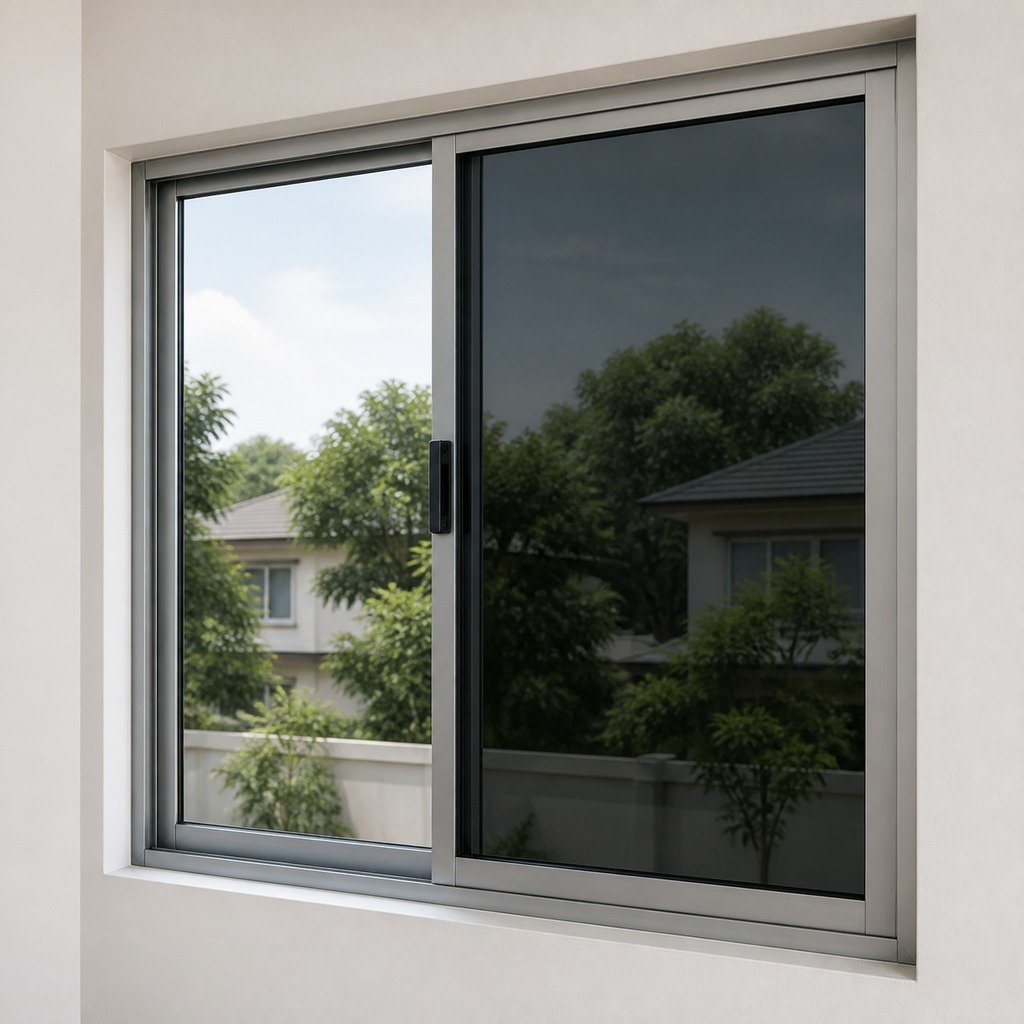
How Much Do Tinted Glass Windows Cost in the Philippines?
Tinted glass carries a modest premium over clear glass, with the exact cost depending on tint depth, glass thickness, and window configuration.
| Window Type | Estimated Price Range | Notes |
|---|---|---|
| Sliding window, light tint (4-5mm) | ₱4,000 – ₱6,000 | Subtle glare reduction |
| Sliding window, medium tint (5-6mm) | ₱4,500 – ₱7,000 | Noticeable heat and glare reduction |
| Sliding window, dark tint (6mm+) | ₱5,200 – ₱8,000 | Maximum privacy and heat control |
| Fixed/picture window, tinted | ₱9,000 – ₱14,000 | Larger single panes, higher material cost |
| Tempered tinted glass upgrade | ₱17,000 – ₱22,000 | Added safety on top of tint |
Prices are indicative and exclude delivery and installation unless stated. Final cost depends on measurement and glass specification.
Why Tinted Glass Makes Sense in the Philippines
The Philippines' year-round heat and intense midday sun make solar heat gain a real cost — not just in comfort, but in air conditioning bills. Tinted glass absorbs and reflects a portion of incoming solar radiation before it reaches the interior, which can noticeably reduce how hard a room's aircon has to work, especially on windows that face west or get direct afternoon sun.
Tinting also cuts glare, which matters for rooms with TVs, monitors, or workspaces near the window, and adds a layer of privacy from the outside without blocking natural light entirely.
Types of Window Tint
Body-tinted (colored) glass
The tint is integrated into the glass itself during manufacturing, in shades like gray, bronze, green, or blue. This is the most common and economical tinted glass option for Philippine homes.
Reflective/coated tint
A thin metallic or ceramic coating is applied to the glass surface, giving it a mirrored or semi-mirrored exterior appearance and typically stronger heat rejection than body tint alone. More common in commercial buildings.
Film-applied tint
A tint film is applied to existing clear glass rather than manufacturing new tinted panels. This is a lower-cost option for retrofitting existing windows but is generally less durable than factory-tinted or coated glass.
Tint Depth Comparison
| Light Tint | Medium Tint | Dark Tint | |
|---|---|---|---|
| Light transmission | High — room stays bright | Moderate | Lower — noticeably darker interior |
| Heat reduction | Modest | Good | Strongest |
| Privacy | Minimal | Moderate | High |
| Best for | Living areas, kitchens | Bedrooms, home offices | West-facing rooms, street-facing windows |
What Affects Tinted Glass Window Pricing?
Tint depth
Darker tints generally cost more than light tints due to the manufacturing process and material used.
Glass thickness
Thicker glass (6mm and up) costs more than standard 4-5mm glass and may be recommended for larger panes or upper-floor installations.
Tempering
Tempered tinted glass adds a safety premium on top of the tint cost but is recommended for larger panels and higher-traffic areas.
Window configuration
Sliding, casement, and fixed windows all have different frame and hardware costs on top of the glass itself.
Where Tinted Glass Makes the Biggest Difference
- West-facing windows — catch the harshest afternoon sun in the Philippines
- Living rooms with large glass areas — reduce glare on screens and furniture fading
- Home offices — cuts screen glare during work hours
- Street-facing windows — added privacy without losing natural light
- Upper floors and condo units — heat buildup is often more pronounced
Frequently Asked Questions
How much heat does tinted glass actually block?
Reduction varies by tint depth and coating type, but body-tinted and reflective glass can meaningfully cut solar heat gain compared to clear glass, particularly on west-facing windows. Exact figures depend on the specific glass product.
Is tinted glass more expensive than clear glass?
Yes, tinted glass typically costs more than clear glass of the same thickness due to the tinting process, though the premium is usually modest relative to the total window cost.
Can I tint my existing clear glass windows instead of replacing them?
Film-applied tint can be added to existing glass as a lower-cost option, though it's generally less durable than factory-tinted or coated glass and may need reapplication over time.
Does tinted glass reduce natural light too much?
Light and medium tints preserve most of the room's natural brightness while cutting glare and heat. Dark tints noticeably reduce interior light, so tint depth should match how the room is used.
Can tinted glass be combined with tempered glass for safety?
Yes. Tinted tempered glass is available and recommended for larger window panes or higher-traffic areas where impact safety matters.
Get a Tinted Glass Window Quote
Glass Mama can help you choose the right tint depth for your climate exposure, room use, and budget. Send your photos, measurements, and Philippine project location today.